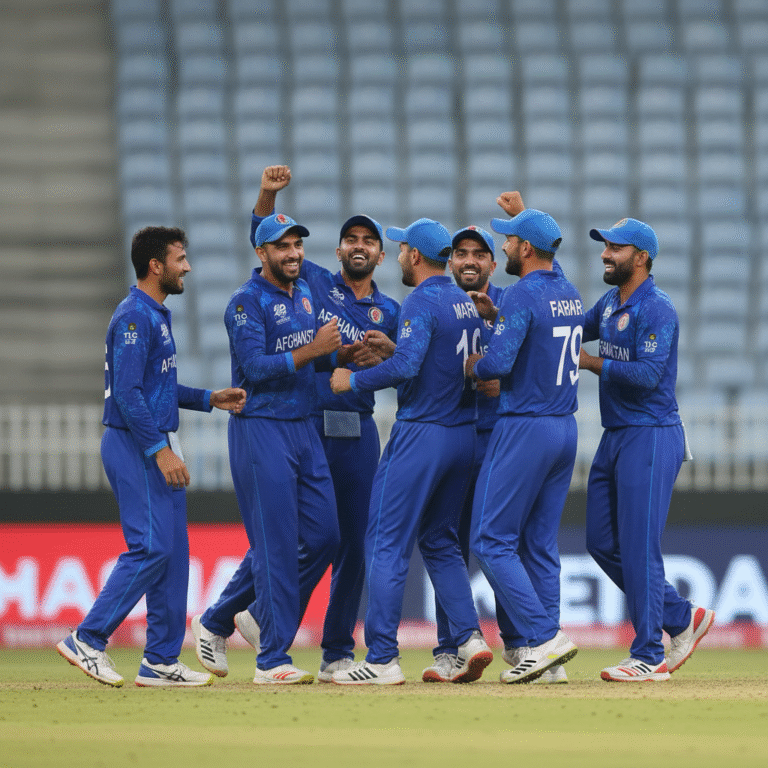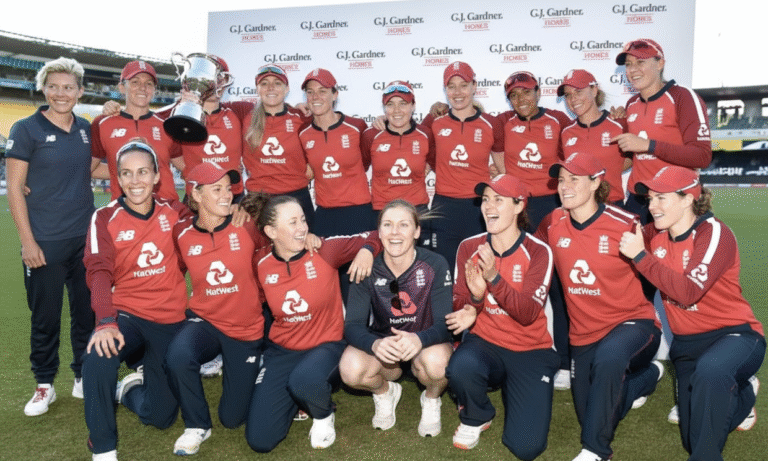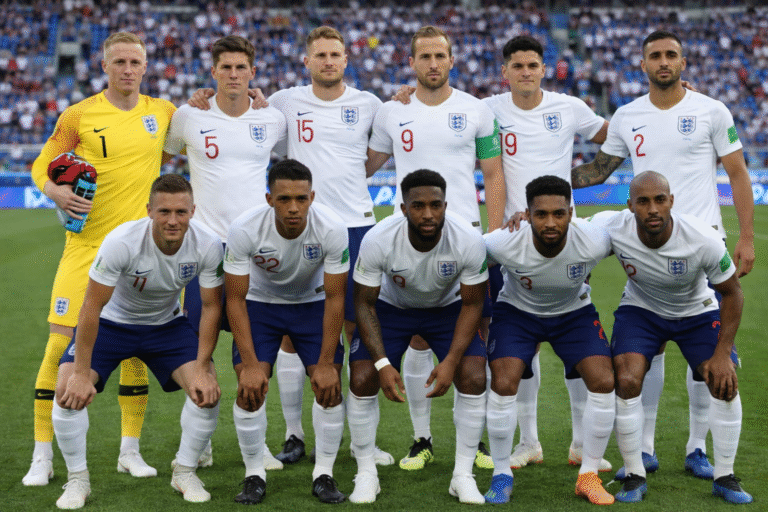
The England–South Africa cricket rivalry has long been one of the greatest rivalries in sporting history, replete with dominant eras, political interference, dramatic comebacks, and legendary duels. This South Africa National Cricket Team vs England Cricket Team timeline captures more than a century of unforgettable moments across its long and historic course.
In 1906, both teams experienced an emotional victory that represented national pride amid colonial tensions.
| No. | Date | Format | Venue | Result | Score / Margin |
|---|---|---|---|---|---|
| 1 | 12 Sep 2025 | T20I | Old Trafford, Manchester | England won | ENG 304/2 beat SA 158 (146 runs) |
| 2 | 10 Sep 2025 | T20I | Cardiff | South Africa won | SA 97/5 beat ENG 54/5 by 14 runs (DLS) |
| 3 | 04 Sep 2025 | ODI | Lord’s, London | South Africa won | SA 330/8 beat ENG 325/9 by 5 runs (NDTV Sports) |
| 4 | 02 Sep 2025 | ODI | Headingley, Leeds | South Africa won | SA 137/3 beat ENG 131/10 by 7 wickets |
| 5 | 07 Sep 2025 | ODI | Southampton | England won | ENG 414/5 beat SA 72 by 342 runs |
| 6 | 01 Mar 2025 | ODI | National Stadium, Karachi | South Africa won | SA 181/3 beat ENG 179/10 by 7 wickets |
| 7 | 21 Oct 2023 | ODI | Wankhede Stadium, Mumbai | South Africa won | SA 399/7 beat ENG 170/10 by 229 runs |
| 8 | 21 Jun 2024 | T20I (World Cup) | Gros Islet | South Africa won | SA 163/6 beat ENG 156/6 by 7 runs |
| 9 | 31 Jul 2022 | T20I | Southampton | South Africa won | SA 191/5 beat ENG 101 (90 runs) |
| 10 | 28 Jul 2022 | T20I | Southampton | South Africa won | SA 207/3 beat ENG 149 (58 runs) |
Early Encounters (1889-1902)
An epic and riveting rivalry in cricket history can be found between England and South Africa, which spans over 100 years of battles that range from early Test series to modern T20 series and T20 tournaments. Not only has their journey been captivating, but it has also shed light on both nations as they have developed as nations as well as globalization of cricket itself.
The story of this rivalry began with the inaugural England-South Africa match, known as Major Warton’s XI. Although this wasn’t an “official” Test match, some of cricket’s finest were present: Charles Coventry, Basil Grieve, Emile McMaster and William Clarke were among them – none had ever previously taken part in an official Test match though some may have played for Worcestershire or other local or itinerant teams before this meeting.
England initially dominated this rivalry. Their vast experience and top-order batting enabled them to easily dominate South Africans in several matches, but this early series set the foundation for South Africa as a cricket nation, setting a precedent for future encounters between these sides.
After World War II, competition returned with renewed vigor. This period saw many exciting contests that will forever be remembered such as Graeme Pollock’s incredible batting artistry in 1964-65 and Allan Donald’s speed in 1994-95 – one series in particular will forever go down in history as one of its great matches.
Dominant Eras (1900s-1960s)
South Africa and England’s rivalry is one steeped in history, passion and unforgettable moments. From early Test matches to modern T20 clashes – South Africa-England represent all that cricket stands for as one team has emerged stronger through resilience and talent than ever before! Their stories tells a compelling tale – no surprise why these teams continue to provide some of the most captivating contests within cricket today.
As soon as the turn of the 20th century arrived, England and South Africa saw their rivalry escalate significantly. South African cricket began to assert themselves on the Test field under Herbie Taylor and Bruce Mitchell while the English were led by players like Jack Hobbs and Wally Hammond; interwar periods produced some exciting series such as 1938-39’s Timeless Test which served as a key marker.
Years of conflict had put an end to international cricket tours between South Africa and England; once war had ended however, international touring resumed with renewed vigor. South Africa played host to an English XI that featured Herbie Taylor, Allan Donald and Bert Oldfield; many consider this match the first time a full strength South African side defeated an English touring side.
Over the decades that followed, this rivalry saw an increasingly even balance across formats. Both sides excelled at their respective home countries and battles were fierce; Allan Donald and Mike Atherton’s epic duel at Headingley Test is legendary while Graeme Smith and Hashim Amla led their respective sides to many series wins against England. More recently Stuart Broad’s bowling masterclass in Johannesburg and Kagiso Rabada’s explosive pace have reignited it even further in ODIs and T20Is respectively.
Political Interruptions (1970s-1990s)
As apartheid was still an ongoing issue, England and South Africa clashes were often met by protests and violence, giving rise to “rebel” tours which attempted to enter South Africa without incurring international bans against cricketing contact with it.
Anti-apartheid campaigner Peter Hain led the first successful rebellion, inspired by seeing Springboks tour members being cheered on with Nazi salutes during a rugby match between Springboks tour members and university side in 1969. Hain quickly recruited half a dozen Young Liberal colleagues as well as borrowing his parents’ VW Beetle to travel from London to Basildon where his group stormed onto the pitch during Wilf Isaacs tour match and disrupted play for over 10 minutes before retreating back home.
After initial disruptions, the club’s governing body, the Test and County Cricket Board – predecessor of the ECB – issued a statement opposing any form of racial discrimination and acknowledging those wishing to demonstrate peacefully. Furthermore, they noted that they shared this position with the International Cricket Council who are strongly against such acts of racism.
However, home Rugby Football Unions (RFUs) were less willing to join in this call for boycotting South Africa and were unaffected by requests from Labour’s government that the British Lions cancel their tour of 1974. RFUs claimed that although Commonwealth statement on apartheid was important, sports boycotting wasn’t their responsibility, while playing against South African teams helped facilitate positive change within South Africa itself.
Harold Wilson and Margaret Thatcher supported the RFUs’ position, eager to end the sporting boycott. Margaret Thatcher met Nelson Mandela personally in 1987 in order to encourage him to accept negotiated reforms – something which ultimately paid off and lead to its removal in 1992 – allowing England and South Africa’s rivalry to resume with renewed intensity – one notable highlight being Allan Donald vs Michael Atherton duel from 1998 as part of this timeframe.
Dramatic Comebacks (1990s-Present)
The England cricket team and South Africa national cricket team rivalry is among the richest in international cricket, having witnessed dominant periods, political intrusion and dramatic comebacks over Test matches, ODIs and T20Is. From Allan Donald’s epic battle with Michael Atherton to Stokes’ counterattacking masterclass – this enduring rivalry has provided cricket at its finest!
South Africa and England’s centuries-old rivalry dates back to March 1889 in Port Elizabeth where the inaugural match between them was played against an understrength English side assembled by Lord Hawke, chairman of Marylebone Cricket Club (MCC), with some of their finest players present at that time.
England maintained their dominance throughout the nineteenth century, until South Africa made a substantial breakthrough during the early 1900s. Recognizing this, in 1907 the MCC invited South African cricket teams to tour England and play official Test matches – something England never had done until recently.
This was an auspicious turning point in their histories, signaling a new era for both teams. South Africans proved formidable on home ground, as the series became fiercely contested – South African wins helped open up gaps between themselves and opponents.
At this match, the famous “D’Oliveira affair” occurred; an event which caused major political controversy in South Africa at that time due to England team captain Graeme Edge’s decision to include mixed-race cricketer Basil D’Oliveira on their tour party and thus fuelling anti-Apartheid sentiment within South Africa. This scandalously embarassed England team, as it led to further anti-Apartheid sentiment in South Africa.
Legendary Duels (2000s-Present)
The England vs South Africa rivalry has long been one of cricket’s fiercest, revered, and historic battles. Over its long history, this competition has witnessed dominating eras, political interruptions, dramatic comebacks, and legendary duels between these teams whose histories are inextricably intertwined through sport itself. But its true significance extends far beyond wins and losses: It represents cultural exchanges between two teams whose histories interweave through sports itself.
At first, South Africa’s national team known as the Proteas struggled against established powers due to their inexperience. Over time however, they gradually transformed into an internationally respected team by the early 20th century, although progress was hindered by political upheaval; apartheid policies led to international bans which kept them away from mainstream competition until reinstatement occurred in 1991.
Even after such a lengthy absence, South Africa quickly made up ground as an ODI powerhouse. They won their inaugural ICC Champions Trophy in 1998 and since have gone on to become one of the most successful limited-overs teams worldwide.
At present, England versus South Africa matches are thrilling affairs that showcase modern cricket at its finest. England’s speedy bowlers often test SA batting while Kagiso Rabada, Anrich Nortje and Lungi Ngidi lead South Africa’s fiery tempo attack to great effect.
Though both teams possess their own distinctive styles, their battle is evenly-balanced in both Tests and ODIs. This makes the contest engaging as both sides prepare for future high-intensity clashes.
Also Read:
The England Cricket Team Vs South Africa National Cricket Team Timeline
About the Author