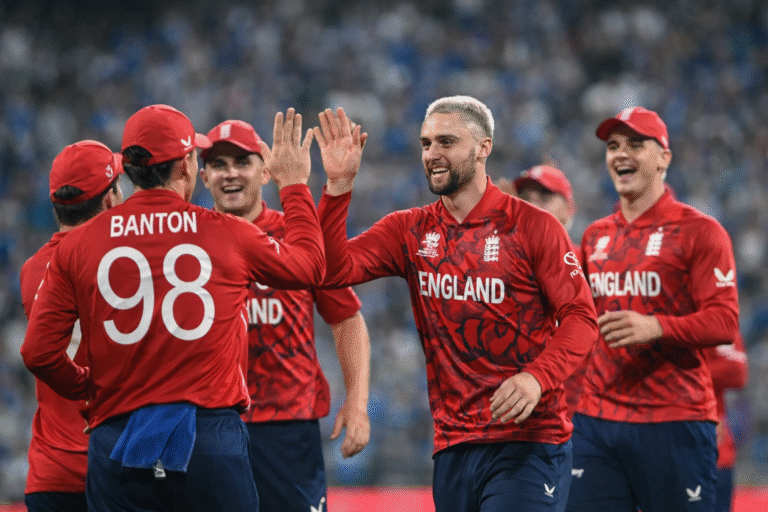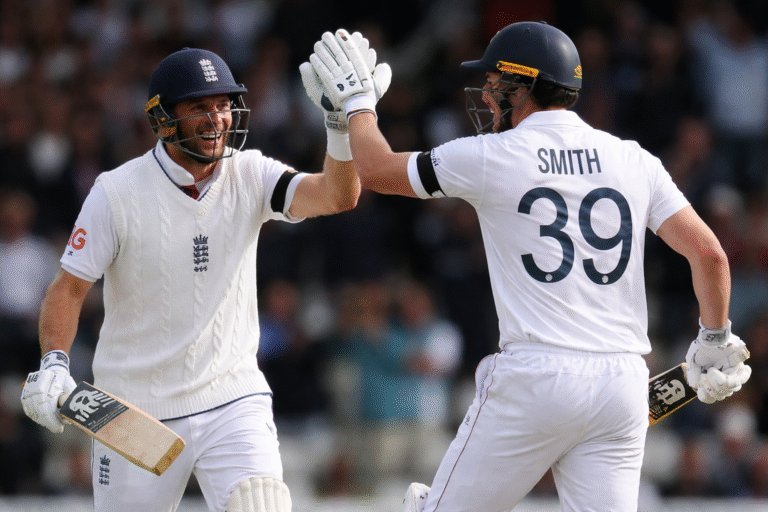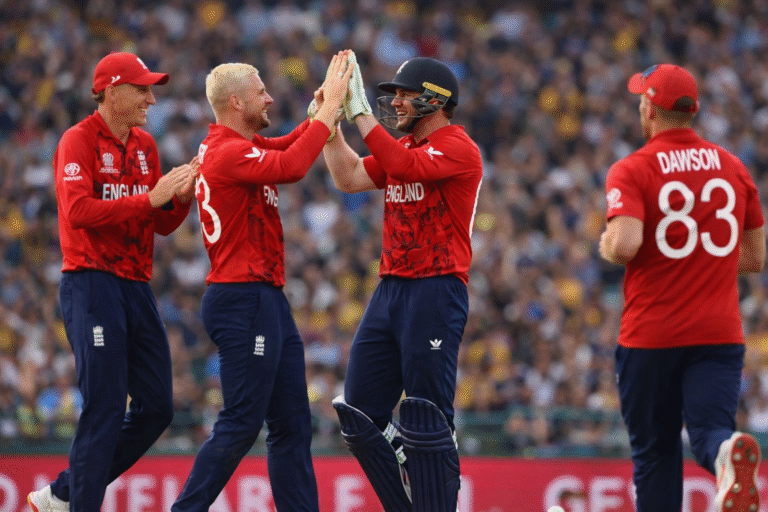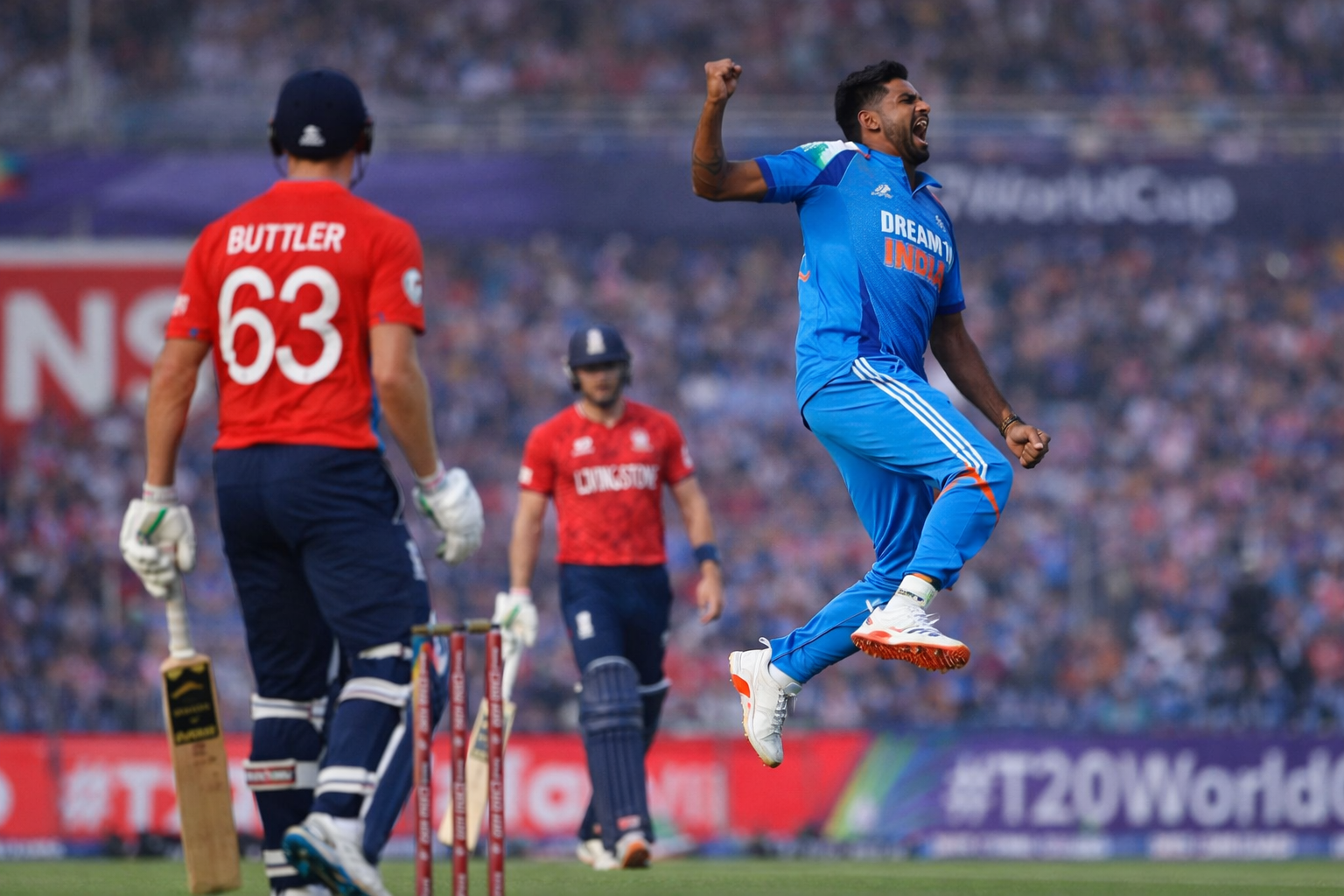
India are looking to carry their T20 success into a five-match ODI series against England – an essential dress rehearsal ahead of February’s ICC Men’s Champions Trophy tournament.
Jos Buttler and Joe Root lead an exhilarating England side, boasting Harry Brook and veteran seam bowlers Jofra Archer and Mark Wood. It promises to be an intriguing series.
| Match | Format | Date / Series | Result / Scorecard |
|---|---|---|---|
| Latest – 3rd ODI (India vs England) | One Day International | Feb 12, 2025 — India vs England ODI Series 2025 | IND 312/6 (50); ENG 298 (48.4) — India won by 14 runs |
| Previous – 2nd ODI (India vs England) | One Day International | Feb 9, 2025 — India vs England ODI Series 2025 | ENG 325/7 (50); IND 327/5 (49.2) — India won by 5 wickets |
| Earlier – 1st ODI (India vs England) | One Day International | Feb 6, 2025 — India vs England ODI Series 2025 | IND 287 (49.1); ENG 289/4 (46.3) — England won by 6 wickets |
Toss
While IPL matches are known to feature thrilling sixes, yorkers, and last-over finishes, one moment subtly sets the mood: the toss. Though its outcome only lasts a second in air time, its results can alter win probabilities, team strategies, or even who lifts the trophy at times. Analyzing how these results impact match outcomes has become a science backed by historical trends, data analytics and venue-specific analysis.
Winning the toss gives captains an invaluable edge in first-class and Test matches where pitches deteriorate over time, but in ODIs and T20 matches it may provide less of a benefit, due to needing to bowl in favorable conditions or the pitch likely being suitable for batting first.
T20 cricket statistics reveal that, overall, toss winners tend to win roughly 2.6% more often than they lose the game when tossing the coin; however, due to dew being an influential factor in day-night T20 contests in England, their advantage can shrink down to around 1% when winning the toss.
Although the toss may not guarantee victory, it remains an invaluable strategic tool that enables captains to set their preferred game plan from the outset and influence field placement, bowling rotation and batting order decisions without reacting reactively; ultimately leading to sharper decision-making and smoother execution under pressure.
First Innings
Headingley, Leeds will host the inaugural match of India-England Test series starting tomorrow. Shubman Gill will make his debut as India’s new captain – taking over after Rohit Sharma retired – as well as new playing conditions being implemented during ODIs and T20Is during this series, with lasting implications extending into future matches.
The International Cricket Council has made several modifications to the rules of cricket, such as restricting new balls to two per innings. This move is meant to preserve pitch condition while improving overall gameplay quality; this change was approved by their International Cricket Council and will take effect during Sri Lanka-Bangladesh series this autumn.
England won the toss and elected to field first. Their early wickets quickly decreased to 46-4 before Ravindra Jadeja played a brilliant innings that brought them back up to 229-8 by stumps – this being India’s highest Lord’s Test innings total ever and also marking five centuries scored at once in one innings there!
India’s innings was interrupted four times by rain, including three breaks within three overs after play began. Due to these interruptions, Australia were set a target of 131 under the Duckworth-Lewis-Stern method calculations – something many former India opener Aakash Chopra consider unfair.
The second Test will take place at Trent Bridge in Nottingham with both teams hoping to take a 2-0 advantage in the series. In London’s The Oval ground will host its final match before new playing conditions come into effect and reduce playing times through revised targets calculated for shorter games by altering how quickly targets are calculated for Test matches.
Second Innings
India won its inaugural Test match at Headingley, Leeds by an innings and 78 runs; their greatest ever victory ever in England. At Edgbaston, India secured another huge victory – an innings and 242 runs to be exact – which marked England’s biggest defeat ever. At Lord’s, India achieved yet another significant triumph – winning by an innings and 161 runs and posting the fourth highest Test score ever seen anywhere – notching an unprecedented four centuries scored by Indian batsmen across three Test matches!
Shubman Gill made his captaincy debut in the third Test against Australia, leading India to a 147-run win and becoming both India’s youngest international captain and second youngest to amass 4,000 Test runs for his side. Rishabh Pant became only the second wicketkeeper-batsman ever in world cricket to surpass 3,000 Test runs; Jasprit Bumrah became only second bowler ever (after Wasim Akram) ever to take 50 wickets in any one Test series; thus earning him man of the match awards both times around!
Third Innings
On Sunday night, England and India’s final Test match of the season, played out at The Oval, was on the verge of being decided. Harry Brook was playing an outstanding innings while Joe Root was nearing one of his greatest runs-chases ever seen in Test cricket history. Unfortunately, however, rain suddenly brought proceedings to a halt and denied an eager crowd at The Oval an incredible dramatic conclusion that only they can provide.
Unaccountable events were observed at this two-day match, where spectators spent between PS95 and PS160 ($126-212) for tickets, yet their natural conclusion could not be allowed to unfold as anticipated. Even more disappointing was Lee Fortis – who clashed with India coach Gautam Gambhir prior to this game – being told he could not remove covers within 39 minutes and provide proper closure to spectators who paid between PS95-PS160 ($126-$212).
In other cricket news, the International Cricket Council (ICC) plans to implement several changes to playing conditions for Tests and white-ball matches, most significantly the return to using only one ball by the end of an innings – an act designed to restore balance between bat and ball in limited overs cricket.
Under the new playing conditions, fielders who make airborne contact outside of a boundary must land and remain within it in order to reduce further concussion risk. Furthermore, teams will now need to nominate one designated replacement per match; this will reduce home teams’ advantage in selecting replacement players from within their roster of players.
About the Author