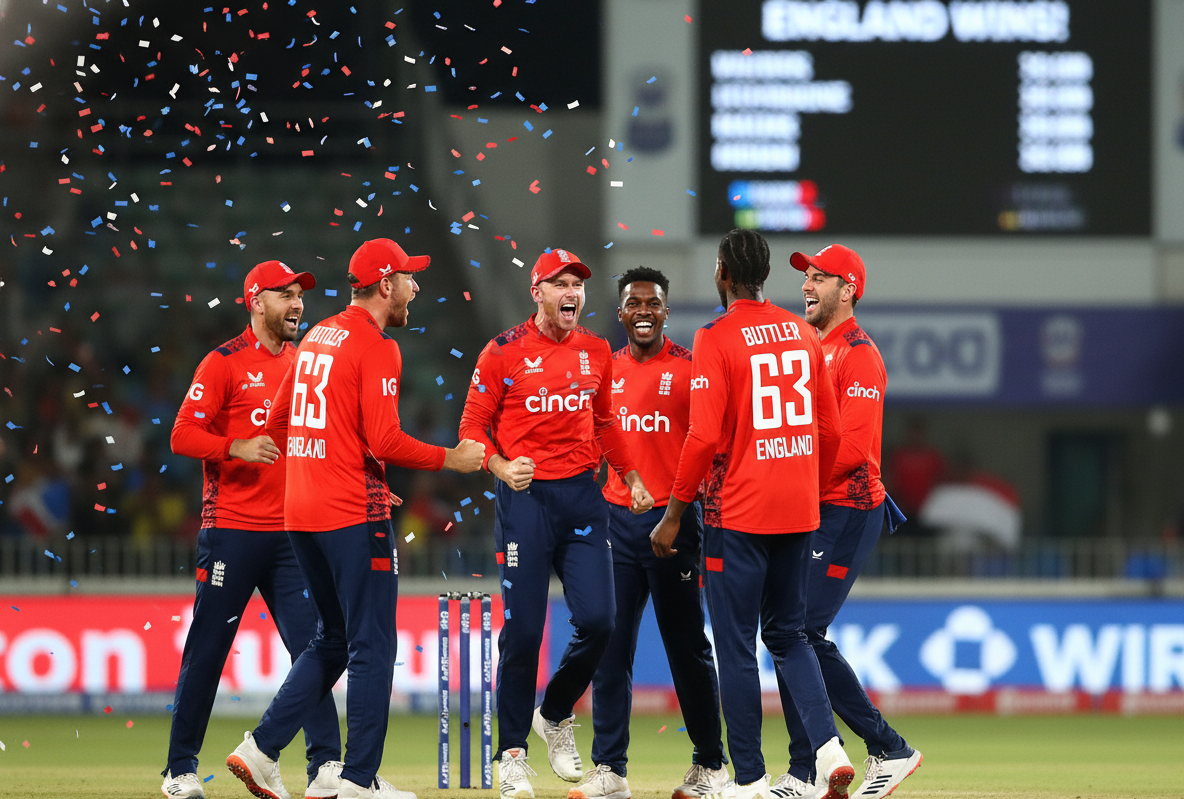
England–New Zealand rivalries have long been one of the sport’s fiercest. From Test matches, ODIs, and T20Is all the way through World Cup finals, England vs New Zealand matchups often produce nail-biting drama ranging from last-session blockathons to stunning final moments of global tournaments. The England Cricket Team vs New Zealand National Cricket Team Timeline captures these unforgettable encounters, highlighting defining matches, turning points, and performances that have shaped this compelling rivalry.
The 1970s brought significant transformation to cricket, including longer tours and greater in-depth planning by both sides. Both took advantage of these changes to become stronger across all formats of play.
| Match | Format | Date / Series | Result / Scorecard |
|---|---|---|---|
| Latest – 2nd Test (England vs New Zealand) | Test | Dec 14–18, 2024 – England Tour of New Zealand | NZ 348 & 254; ENG 291 & 312/6 — England won by 4 wickets |
| 1st Test (England vs New Zealand) | Test | Dec 6–10, 2024 – England Tour of New Zealand | NZ 401 & 233; ENG 325 & 289 — New Zealand won by 20 runs |
| 4th ODI (England vs New Zealand) | ODI | Sept 15, 2023 – NZ Tour of England | ENG 311/9; NZ 287 — England won by 24 runs |
| 3rd ODI (England vs New Zealand) | ODI | Sept 13, 2023 – NZ Tour of England | ENG 368/9; NZ 187 — England won by 181 runs |
| 2nd ODI (England vs New Zealand) | ODI | Sept 10, 2023 – NZ Tour of England | NZ 291/8; ENG 226 — New Zealand won by 79 runs |
The Early Years
When New Zealand visited England in 1940, cricket was only just emerging as an international sport. Matches were slower and more tactical; bowlers took long spells to maintain control of opposing batting sides. England held an edge; their visitors earned respect by competing to competitive draws.
After World War II’s devastation, their rivalry reemerged with renewed purpose. A period that saw young players come of age on both teams came about through academy systems; England focused on producing technically strong players who adapted well to foreign conditions while New Zealand sought to form teams of all-rounders who combined flair with discipline.
During this era, New Zealand and England engaged in their fiercest clash yet: between calm batsmen from New Zealand and master technicians from England. While New Zealand struggled early with white-ball cricket, its early struggles led to an emerging generation of fearless hitters while England attempted to reinvent their style by experimenting with unconventional tactics.
As the decade progressed, England and New Zealand’s rivalry deepened further as both teams gradually engaged on equal terms across Tests, ODIs and T20Is. This expansion of formats helped heighten this competition by providing new tactics and shifts in balance of power – creating memorable series from each era and cementing this relationship into one of international cricket’s most compelling rivalries.
The 1980s
New Zealand began to demonstrate its growth as a cricketing nation during this era, though England dominated most Test series at first. Over time however, their rivalry became more evenly balanced; both sides gradually increasing in potential and self belief while developing greater understanding between each other’s styles.
As a result, this period was full of memorable moments and high drama. From Graham Gooch’s endless stamina to Sir Richard Hadlee’s legendary bowling ability, matches consistently produced incredible performances that cemented their rivalry’s legacy.
This period saw the advent of International Cricket Council tournaments, raising the stakes of every England-New Zealand match to unprecedented levels. These tournaments featured vital knockout phases and group stage matches with huge qualification implications; both sides needed to adapt quickly in order to fulfill such immense expectations, leading to some of the most thrilling and emotional contests ever witnessed between these nations.
Both sides gradually prioritized shorter formats while improving their tactical approaches to international cricket, giving fans an exciting show featuring world-class fast bowlers and emerging batsmen in thrilling duels that lasted several sessions of Test cricket or thrilling Twenty20 finals where only a single ball determined victory.
The 1990s
The 1990s and early 2000s witnessed a shift in balance of power between England and New Zealand, causing their rivalry to blossom across all formats, creating iconic matches full of unforgettable performances, nail-biting finishes, and unforgettable moments. New Zealand’s rise as an international powerhouse in Test, ODI and T20 cricket challenged England, which gradually evolved its approach to cricket – becoming more stable batting order-wise while diversifying bowling attacks more widely and becoming adept at reading pitches better.
These days heralded an age of tactical battles, where scores revealed an intricate web of control: first-inning leads of 60 were treated like 200; fifth-day chases became victories with just one dropped catch or poor review ruining everything.
But England also made strides during this decade, adapting well to modern cricket with confidence and excelling at its modern forms – their batting flourished, bowling found its groove, and they ensured they put the ball into play as often as possible. Rivalries between teams still thrived with classic Tests, fiery ODIs and high-pressure T20 suits keeping fans on edge; both sides developed identities while learning; though more players, fresh strategies, and changes to competitive balance would emerge within 10 years’ time.
The 2000s
The 2000s was an extraordinary decade for England vs New Zealand rivalry. As competition moved towards bilateral contests encompassing multiple formats, both teams learned to adjust their strategies based on current conditions in play – making these contests even more thrilling with many matches ending up with dramatic, nail-biting finishes!
At its pinnacle, this rivalry reached a critical juncture when both teams started featuring matches in major ICC tournaments and ODI championships. These games became increasingly important and demanded both sides meet global expectations while facing each other under pressure – producing future stars, epic collapses, daring chases and dramatic results that fans remember years later.
New Zealand was another powerhouse during this era. Led by legendary cricketer Richard Hadlee, New Zealand developed an effective bowling attack and solid batting depth. At home they also established a formidable home record and quickly learned the art of playing on testing English pitches.
England and New Zealand quickly adapted to the fast-paced format of One Day Internationals (ODIs), leading them both to embrace its fast-paced format with ease and turn it into an eventful chapter featuring high-scoring, tightly contested matches characterized by England’s aggressive “Bazball” approach while New Zealand relied on smart tactics, diverse skill sets, and powerful all-rounders – as evidenced by memorable T20 finales where victory could hinge on small moments.
The 2010s
In the 2010s, both teams adopted different cricketing philosophies; England adopted “Bazball Test style,” while New Zealand employed more disciplined cricket tactics. Most captivating moments in this rivalry came during ICC tournaments where stakes were higher and matches carried more emotional weight – events which produced future stars, unforgettable collapses and daring chases that cemented this rivalry’s storylines.
ODIs also added an unpredictable twist to England-New Zealand cricket rivalry, with tactical moves and power-hitting becoming commonplace. Many matches came down to the final over, where small things like mistimed shots or clever slower balls could change outcomes drastically. Michael Vaughan and Alastair Cook became iconic leaders, while Brendon McCullum and Kane Williamson fostered an aggressive style within New Zealand cricket.
This period also saw an increasing emphasis on fitness, longer tours and careful planning by both sides. England could rely on experienced campaigners while New Zealand earned greater respect thanks to their disciplined performances across formats.
The Present
Every long-running rivalry has signature moments that reshape its competitive landscape; England vs New Zealand was no different, featuring several signature series that transformed contests with new tactics and altered balances of power, or showcased rising stars and heralded new eras of cricketing philosophy. One-day internationals (ODIs) allowed both nations to test new strategies before global audiences.
England-New Zealand matches brought more tension and urgency to the game, with teams taking calculated risks and reconsidering their approach in crucial situations. Furthermore, International Cricket Council tournaments upped the stakes even higher; their high-stakes battles elicited aggressive middle-order performances and tactical bowling rotations, leading to memorable chases, collapses, and emotional results that made for breathtaking entertainment.
This period also saw a change in emphasis between England and New Zealand on preparation. England prioritized shorter formats while New Zealand adopted modern analytics such as data and match simulation to close gaps with top-tier cricket nations, creating an ongoing rivalry based on mutual respect and modern cricket philosophies.
About the Author